
Why Gutters, Roof Maintenance, and Foundation Drainage Are Critical to Protecting Your Home
Water is one of the most destructive forces your home will ever face. While storms may seem like the biggest threat, the reality is that slow, unmanaged water intrusion causes far more damage over time.
Clogged gutters, aging shingles, and poor drainage at the foundation can quietly lead to:
-
Basement moisture
-
Foundation cracks
-
Mold growth
-
Structural wood rot
-
Costly repairs
The good news? Nearly all of this is preventable with proper exterior maintenance.
Let’s break down how gutters, your roof, and foundation drainage work together to protect your home.
Why Managing Water Around Your Home Is So Important
When it rains, hundreds — sometimes thousands — of gallons of water hit your roof. That water needs a clear, controlled path away from the structure.
If it doesn’t, gravity and soil pressure will eventually force it into places it doesn’t belong.
Water management around your home isn’t cosmetic — it’s structural protection.
Gutters — Your Home’s First Line of Defense
What Gutters Do
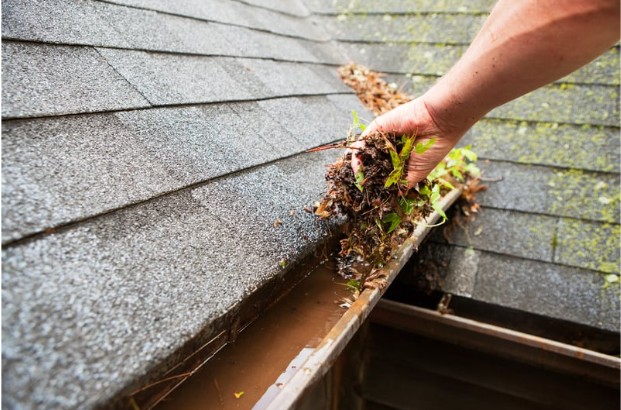
Gutters collect rainwater from the roof and direct it safely away through downspouts. Without them, water pours directly down along the foundation walls.
Even properly installed gutters can fail if they aren’t maintained.
Common Gutter Problems
-
Clogged with leaves and debris
-
Improper pitch is causing standing water
-
Sagging or pulling away from the fascia
-
Downspouts discharging too close to the foundation
-
Leaking seams
Real-World Example
We recently inspected a home where the finished basement carpet kept getting wet after heavy rain. There were no plumbing leaks.
The issue? A clogged gutter above that section of the house.
Water overflowed, saturated the soil, and eventually forced moisture through a small foundation crack. The homeowner faced thousands in repairs — all stemming from neglected gutter maintenance.
Gutter Maintenance Tips
-
Clean gutters twice per year (spring and fall)
-
Inspect after major storms
-
Ensure downspouts discharge at least 4–6 feet from the home
-
Consider gutter guards if trees are nearby
Roof Maintenance — Where Water Control Begins
Your roof is designed to shed water efficiently. Shingles overlap to guide water downward, while flashing protects vulnerable areas like chimneys, vents, and valleys.
When roof components deteriorate, water intrusion can begin long before visible interior damage appears.
Common Roof Concerns
-
Missing or damaged shingles
-
Failing flashing
-
Worn sealants
-
Ice dam formation in winter
-
Aging materials near the end of their lifespan
Even minor defects can allow slow moisture penetration that damages:
-
Roof sheathing
-
Framing
-
Insulation
-
Interior ceilings
Proactive Roof Care
-
Schedule periodic professional inspections
-
Replace damaged shingles promptly
-
Ensure attic ventilation and insulation are adequate
-
Keep gutters clear to prevent roof-edge backup
A well-maintained roof ensures water flows where it should — into the gutters and away from the home.
Foundation Drainage — Protecting the Structure Below
Water that pools around your foundation creates hydrostatic pressure — force from saturated soil pushing against foundation walls.
Over time, this can cause:
-
Cracks
-
Bowing walls
-
Basement seepage
-
Structural movement
Warning Signs of Poor Drainage
-
Water pooling near the foundation
-
Musty basement odors
-
Efflorescence (white powder on walls)
-
Foundation cracks
-
Sticking doors or uneven floors
Practical Drainage Solutions
Proper Grading
Soil should slope away from the home at least 6 inches over 10 feet.
Downspout Extensions
Extend discharge points at least 4–6 feet from the foundation.
French Drains
A gravel trench with perforated piping that redirects groundwater.
Sump Pump Systems
For homes with recurring groundwater issues.
Water should always move away from the structure — never toward it.
Key Takeaways for Homeowners
-
Clean and inspect gutters regularly
-
Maintain roof materials and flashing
-
Ensure proper grading around the home
-
Extend downspouts away from the foundation
-
Address minor issues early
Most serious water damage starts small.
Routine maintenance today prevents major structural repairs tomorrow.
Protect Your Home Before Problems Start
At Metro Boston Property Inspections, we don’t just evaluate what’s visible — we assess how water moves around your home and identify conditions that may lead to future damage.
Whether you’re:
-
Buying a home
-
Preparing to sell
-
Maintaining your current property
-
Or simply want peace of mind
We provide clear, detailed reporting so you can make informed decisions.