
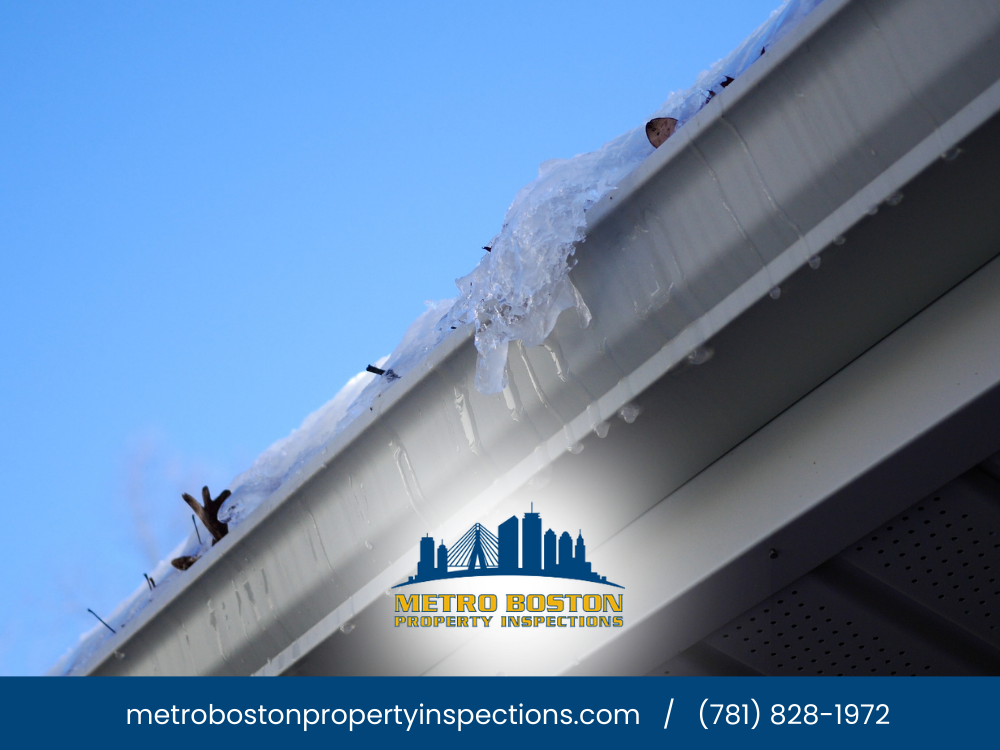
 Common Roof Issues Found During Spring Thaw And Rain In Canton
As winter transitions into spring, homes in Canton begin to experience melting snow, fluctuating temperatures, and steady seasonal rain. These weather shifts often reveal roofing issues that developed quietly during colder months. A common question homeowners ask is: What roof problems are most commonly discovered during spring thaw and rain in Canton?
Understanding what inspectors typically observe during spring home inspections can help homeowners recognize early signs of roof deterioration and moisture intrusion before interior damage progresses.
Roof Leaks Revealed By Snowmelt And Rain
Roof leaks are among the most frequent findings during spring home inspections in Canton. During winter, snow can accumulate and remain on roofing surfaces for extended periods. When temperatures rise, melting snow creates prolonged exposure to moisture.
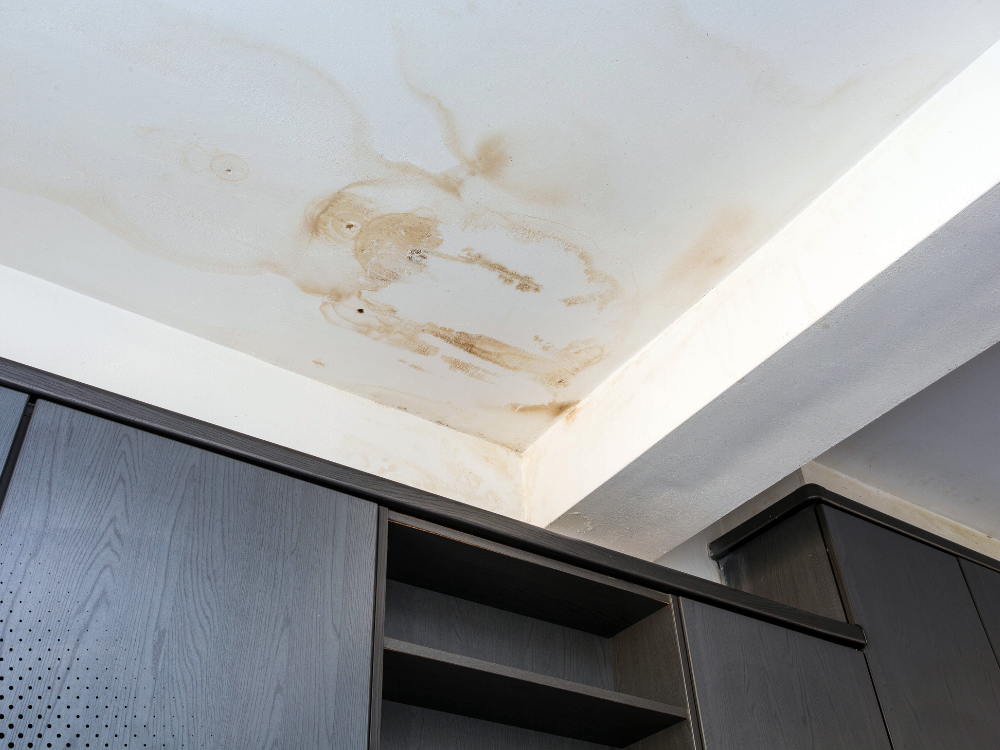
Inspectors commonly find leaks around roof penetrations such as plumbing vents, chimney bases, skylights, and attic vents. Interior indicators may include ceiling staining, peeling paint, damp insulation, or minor drywall bubbling. Because these leaks often appear only during thaw cycles or heavier spring rain, they may not be noticeable during dry winter months.
Early identification during a professional roof inspection helps limit the impact of interior moisture and structural deterioration.
Shingle Damage After Freeze-Thaw Cycles
Winter freeze-thaw cycles place repeated stress on asphalt shingles. As temperatures fluctuate, shingles expand and contract. Over time, this can reduce flexibility and create cracking, curling, or loosening.
During spring inspections, professionals frequently observe:
- Cracked or brittle shingles
- Lifted or wind-loosened tabs
- Missing granules
- Isolated missing shingles
Once thaw begins, water can migrate beneath compromised shingles and reach the underlayment or roof decking. Even minor shingle displacement can allow moisture intrusion when combined with steady spring rainfall.
Homeowners can perform a basic ground-level visual check for uneven roof lines or visible shingle displacement, but a full roof inspection provides a more thorough evaluation.
Flashing Separation And Sealant Deterioration
Flashing plays a critical role in protecting roof transition areas where surfaces intersect. These areas include roof valleys, wall connections, chimney perimeters, and vent penetrations.
During spring home inspections in Canton, inspectors frequently observe flashing that has shifted or separated due to ice buildup or temperature changes. Sealants used around flashing may also dry, crack, or shrink during the winter months.
Even small gaps in flashing can allow water to enter during steady rain events. Properly secured and sealed flashing helps direct water away from vulnerable roof areas.
 Ice Dam Effects And Water Backup
Although ice dams form during winter, their impact often becomes more noticeable during the spring thaw. Ice accumulation along roof edges can block normal drainage paths.
When melting snow cannot drain properly, water may be forced beneath shingles. During inspections, professionals sometimes find signs of past water backup, such as stained decking, compressed insulation, or minor soffit moisture.
Adequate attic insulation and balanced ventilation help reduce uneven roof temperatures that contribute to ice dam formation.
Attic Moisture And Ventilation Concerns
Spring inspections often extend into the attic, where hidden moisture conditions may become visible as temperatures rise. Inspectors often observe:
- Damp insulation
- Roof decking discoloration
- Rusted fasteners
- Mild musty odors
These conditions may result from minor roof leaks, condensation buildup, or limited ventilation during the winter months. As outdoor humidity increases during spring, attic moisture may become more noticeable.
Maintaining proper airflow and monitoring attic conditions supports long-term roof performance.
Why Spring Roof Inspections Matter In Canton
Spring thaw and rain create the perfect conditions for revealing roof vulnerabilities that were concealed during winter. Common issues include roof leaks, shingle deterioration, flashing separation, ice dam effects, and attic moisture concerns.
Identifying these issues early helps homeowners make informed decisions about roof maintenance and prevent minor concerns from developing into larger interior repairs.
If you live in Canton, consider scheduling a professional home inspection with Metro Boston Property Inspections to evaluate your roof after the winter season.
Take the next step with confidence. Ready to schedule your inspection? Call (781) 828-1972 or https://metrobostonpropertyinspections.com/ today!