
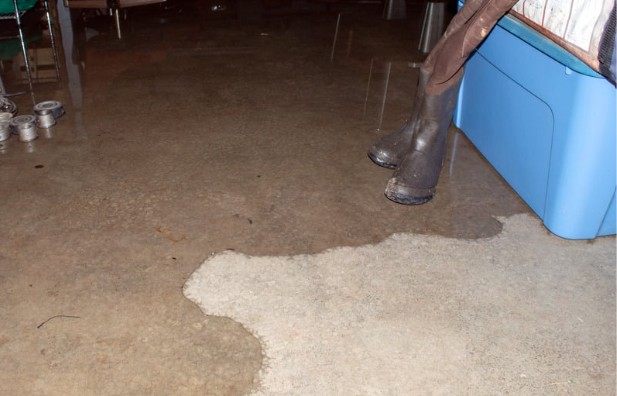
Basement Flood Prevention: Simple Steps to Protect Your Home
As winter transitions into spring, March often brings melting snow, steady rain, and saturated soil. During this time of year, your home’s drainage systems work harder than usual. A little preventative maintenance now can help keep your basement dry and your home protected.
The good news? Most preventative steps are simple and inexpensive.
-
Clean and Check Gutters & Downspouts
Clogged gutters can cause water to overflow and collect near your foundation. Make sure gutters are clear of leaves and debris, and confirm that downspouts extend at least 4–6 feet away from the home. Proper drainage at the roofline makes a big difference.
-
Test Your Sump Pump
If your home has a sump pump, take a few minutes to test it. Pour a bucket of water into the sump pit and make sure the pump activates and discharges water properly. Also check that the discharge pipe outside is clear and directing water away from the foundation.
-
Inspect the Foundation
Walk through your basement and look for small cracks in walls or floors. Sealing minor cracks early can help prevent moisture from entering later.
-
Check the Grading Around Your Home
The soil around your foundation should slope away from the house. If you notice low spots where water collects, adding soil and improving the slope can help prevent pooling.
-
Clear Window Wells and Exterior Drains
Remove leaves and debris from window wells and exterior drain openings so water can flow freely.
Taking these proactive steps now can help prevent costly repairs later and provide peace of mind throughout the spring season.
If you’d like guidance on any of these items—or would prefer a professional evaluation—feel free to reach out. I’m always happy to help homeowners protect their investment.