Inspecting Standing Seam Metal Roofs: What Commercial Property Owners & Agents Should Know
Standing seam metal roofs are growing in popularity across New England — and for good reason. They’re durable, energy-efficient, and can last 40–70+ years when properly installed and maintained.
But “long-lasting” doesn’t mean “maintenance-free.”
At Metro Boston Property Inspections, we regularly evaluate standing seam metal roofing systems, and there are specific components and details that must be carefully inspected to ensure long-term performance.
Here’s what goes into a proper inspection.
What Is a Standing Seam Metal Roof?
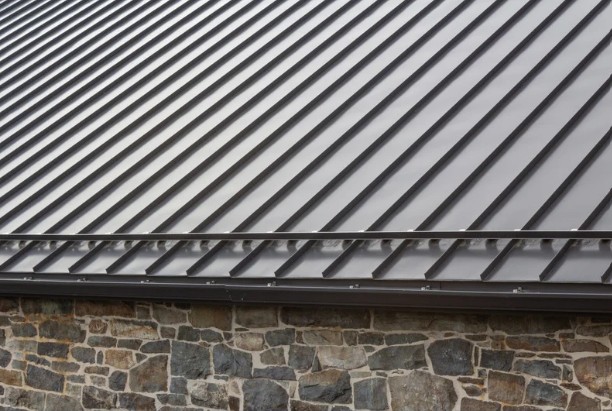
A standing seam metal roof consists of vertical metal panels that run from the ridge to the eaves. The seams between panels are raised above the roof surface and mechanically locked or snapped together.
Unlike exposed fastener metal roofs, standing seam systems:
- Conceal fasteners beneath the seams
- Allow for thermal expansion and contraction
- Provide superior water-shedding capability
- Offer enhanced longevity
However, installation quality is critical — and defects can be expensive if overlooked.
Key Areas We Inspect on Standing Seam Roofs
- Panel Condition
We look for:
- Dents from hail or fallen branches
- Oil canning (visible waviness in panels)
- Corrosion or coating failure
- Improper panel alignment
- Signs of movement due to thermal expansion
Minor cosmetic issues may not affect performance, but coating failure or corrosion can significantly shorten the roof’s lifespan.
- Seams & Locks
The raised seams are the backbone of the system.
We inspect for:
- Loose or partially disengaged seams
- Improperly crimped mechanical locks
- Separation due to expansion stress
- Sealant failure at seam transitions
Improper seam engagement can allow water intrusion, especially during wind-driven rain or ice dam conditions — something we see frequently in Massachusetts winters.
- Fasteners & Clips (Concealed System)
Standing seam roofs use concealed clips that anchor panels to the deck while allowing movement.
We assess for:
- Loose or backing-out fasteners
- Improper clip spacing
- Rusted hardware
- Evidence of over-tightening
Improper fastening restricts movement and can cause buckling or oil canning over time.
- Flashing Details
Most failures occur at transitions — not in the field panels.
Critical flashing areas include:
- Chimneys
- Skylights
- Plumbing vents
- Roof-to-wall transitions
- Valleys
- Ridge caps
- Eave and rake edges
We look for:
- Improperly integrated flashing
- Missing sealant
- Open counterflashing
- Incompatible materials (galvanic corrosion risk)
- Signs of past leakage
Flashing defects are the most common source of water intrusion on metal roofing systems.
- Penetrations
Metal roofs do not tolerate amateur penetrations well.
We frequently see:
- Satellite or solar installations improperly mounted
- Aftermarket vent installations
- HVAC equipment supports
- Snow guard retrofits
Any penetration must use manufacturer-approved components. Improper penetrations can void warranties and lead to chronic leaks.
- Underlayment & Ventilation (When Visible)
While underlayment and decking are not always visible, we inspect for signs of:
- Moisture staining
- Improper ventilation
- Condensation issues
- Ice dam evidence
Metal roofs shed water efficiently, but poor attic ventilation can still create condensation problems beneath the panels.
- Snow Retention Systems
In New England, snow management is critical.
We evaluate:
- Snow guards (proper spacing and secure attachment)
- Signs of sliding snow damage
- Gutter stress or separation
Metal roofs shed snow quickly. Without proper snow retention systems, falling snow can damage gutters, landscaping, or create safety hazards.
Common Issues We See in Massachusetts
- Improper flashing at chimneys
- Sealant-dependent repairs (not permanent solutions)
- Incompatible metal repairs causing corrosion
- Fastener back-out from poor installation
- Poor integration with older additions
Even newer installations can have defects if not installed by experienced metal roofing contractors.
How Long Do Standing Seam Roofs Last?
When properly installed and maintained:
- Steel: 40–60 years
- Aluminum: 50+ years
- Copper: 70–100+ years
But longevity depends heavily on:
- Installation quality
- Flashing integrity
- Proper ventilation
- Routine inspection
Why a Professional Inspection Matters
Standing seam systems are premium roofing products. Repairs can be complex and expensive if problems are not caught early.
During a commercial property inspection, we:
- Evaluate overall installation quality
- Identify active or potential leak conditions
- Assess flashing and transitions
- Document defects in clear detail
- Provide practical recommendations
Early identification protects both buyers and current commercial property owners from costly surprises.
Final Thoughts
Standing seam metal roofs are an excellent investment — especially in New England’s climate — but they require proper installation and periodic evaluation.
If you’re buying a commercial property with a metal roof or want peace of mind about your current system, a thorough inspection is essential.
Metro Boston Property Inspections provides detailed roof evaluations as part of every commercial property inspection throughout the Greater Boston area.
If you have questions about your roof system, feel free to reach out.