
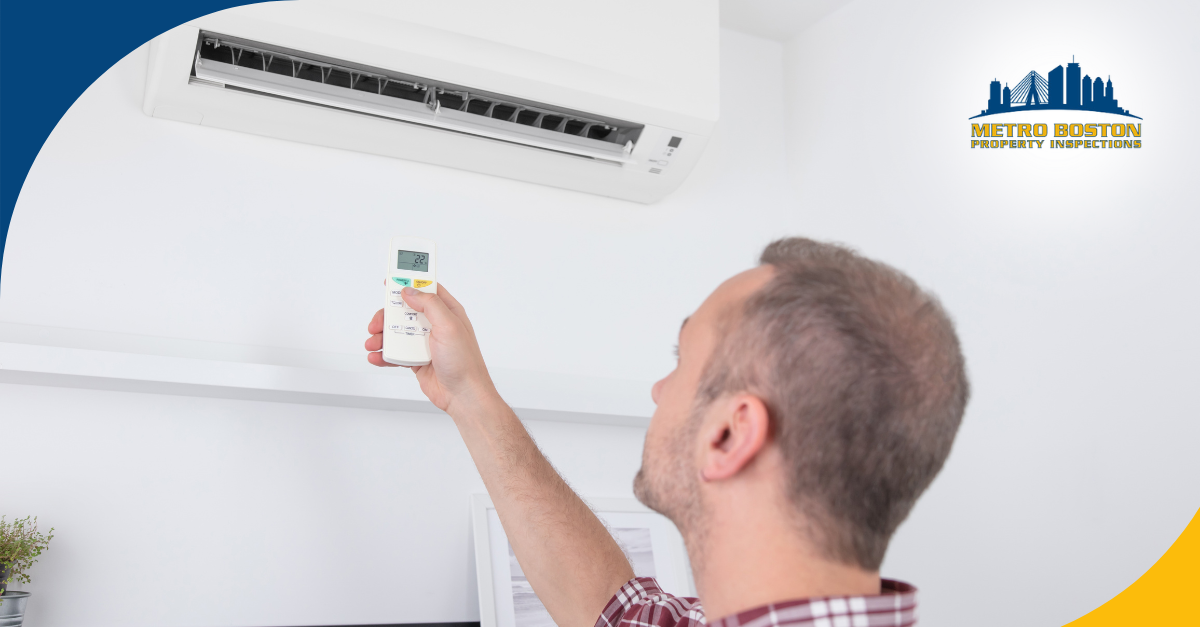
 Hvac Maintenance Tips For Boston, Ma Homeowners Before Summer
As spring transitions into warmer weather, many homeowners in Boston, MA start thinking about comfort inside their homes. After a long heating season, your HVAC system is about to switch roles and work harder to keep your home cool and dry.
So what HVAC steps should Boston homeowners take before summer warmth and humidity arrive? Preparing early can help you avoid common issues and keep your system running smoothly all season long.
Replace Air Filters And Improve Airflow
After months of heating, your HVAC filter is often overdue for replacement. A clogged filter restricts airflow, making your system work harder and reducing efficiency.
Home inspectors commonly notice:
- Dirty or collapsed filters
- Excess dust buildup around vents
- Uneven airflow between rooms
Replacing your filter every 1–3 months during heavy-use seasons helps maintain good indoor air quality and steady cooling. It’s one of the simplest maintenance tasks homeowners can handle themselves.
Clean And Inspect The Outdoor Condenser Unit
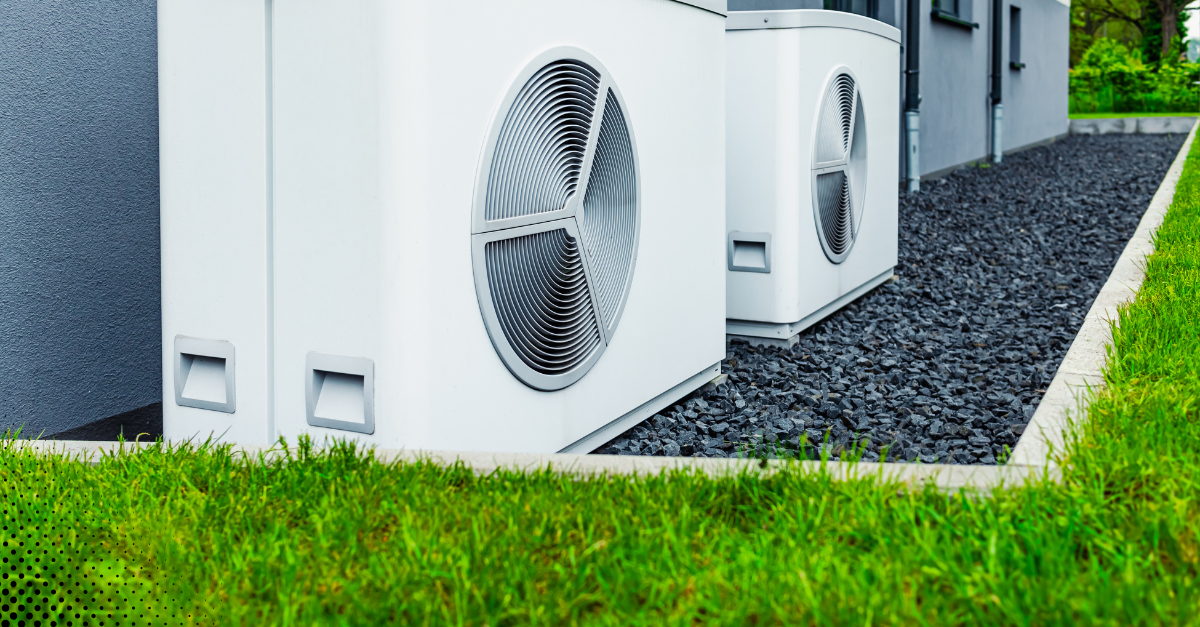
In many Boston, MA neighborhoods, winter leaves behind debris around outdoor HVAC units. Snow, ice, fallen branches, and leaves can block airflow around the condenser.
Before summer:
- Clear at least two feet around the unit
- Gently rinse off dirt and debris (with power off)
- Check that the unit sits level on its pad
When we perform a home inspection, we often see restricted airflow around condensers that reduces system performance. Keeping the area clear allows heat to release properly during cooling cycles.
Check Ductwork And Attic Ventilation
Humidity can be a challenge during Boston summers. If your attic ventilation or ductwork is compromised, cool air may escape before it reaches living areas.
Common issues inspectors look for include:
- Disconnected or poorly sealed ducts
- Crushed flexible duct lines
- Insufficient attic ventilation
- Signs of moisture buildup
Proper airflow and ventilation help regulate indoor humidity levels and prevent condensation-related concerns like mold growth or wood rot. If certain rooms feel warmer than others, duct evaluation may be worthwhile.
 Test Your Thermostat And Drain Lines
Before temperatures climb, test your thermostat by switching to cooling mode and observing how quickly the system responds. If your thermostat is outdated, upgrading to a programmable or smart thermostat may improve efficiency.
Also check the condensate drain line. This line removes moisture created during cooling. When clogged, it can cause water damage around the air handler. Inspectors commonly see blocked drain lines in homes that have not had seasonal maintenance.
Why Hvac Prep Matters In Boston, Ma
Boston’s humid summers can place steady demand on cooling systems. Homes in the area vary widely in age and construction style, which can influence insulation levels and airflow efficiency.
Preparing your HVAC system now helps:
- Improve comfort
- Support energy efficiency
- Reduce strain on components
- Prevent common seasonal issues
If you live in Boston, MA, schedule your home inspection with Metro Boston Property Inspections today.
Call (781) 828-1972 or https://metrobostonpropertyinspections.com/ to book online today!